- December 8, 2025
- By: atharvaeyeclinic.com
- No Comments
The Role of Regular Eye Pressure Checks in Preventing Glaucoma
Glaucoma is often called the “silent thief of sight” — and for a good reason. It develops slowly, usually without pain or noticeable symptoms, until it causes permanent damage to the optic nerve. By the time most people realize something is wrong with their vision, significant and irreversible loss may have already occurred.
The good news? Regular eye pressure checks (IOP tests) can help detect glaucoma early, long before vision is affected. Early detection is the key to preserving your eyesight and preventing complications. In this article, we’ll explore why checking eye pressure matters, how it helps in preventing glaucoma, and who should get tested regularly.
Understanding Glaucoma and Eye Pressure (IOP)
Glaucoma is a group of eye diseases that damage the optic nerve — the cable that connects your eye to your brain. The most common cause of this damage is high intraocular pressure (IOP).
Your eyes constantly produce a fluid called aqueous humor. This fluid drains out through a natural drainage system. When the drainage is blocked or becomes slow, the fluid builds up inside the eye, causing increased pressure.
Think of it like a balloon filled with too much air — the extra pressure creates strain. Similarly, elevated eye pressure stresses the optic nerve, eventually damaging it if not treated in time.
But here’s the tricky part:
High eye pressure has no symptoms.
You won’t feel pain or notice blurry vision early on. That’s why regular pressure checks are so important.
Why Regular Eye Pressure Checks Are Essential
- Detect Glaucoma Early
The biggest advantage of IOP testing is early detection.
Glaucoma caught in its early stages can be treated effectively with eye drops, laser treatment, or minimally invasive surgeries. Without regular checks, glaucoma may progress unnoticed until vision loss becomes evident — and at that point, the damage cannot be reversed.
- Track Changes Over Time
Even normal eye pressure can vary from person to person. What is “normal” for one individual may be high for another. Regular checks help track your unique eye pressure pattern and identify changes quickly.
- Prevent Permanent Vision Loss
Early management of high eye pressure significantly reduces the risk of optic nerve damage. Regular screening is the simplest way to safeguard your long-term vision.
- Essential for High-Risk Individuals
Certain people are more likely to develop glaucoma. For them, routine pressure checks are not optional — they are critical.
Who Should Get Regular Eye Pressure Checks?
While everyone should undergo eye examinations, some individuals are at higher risk and must test more frequently. Risk factors include:
- Age above 40
- Family history of glaucoma
- Previous eye injuries
- High myopia (minus number)
- Diabetes or hypertension
- Prolonged steroid use (oral or topical)
- African or Asian ethnicity (higher prevalence)
If any of these apply to you, regular eye pressure testing becomes even more important.
How Eye Pressure Tests Are Done
There are several simple, painless methods to check eye pressure:
- Air Puff Test (Non-Contact Tonometry)
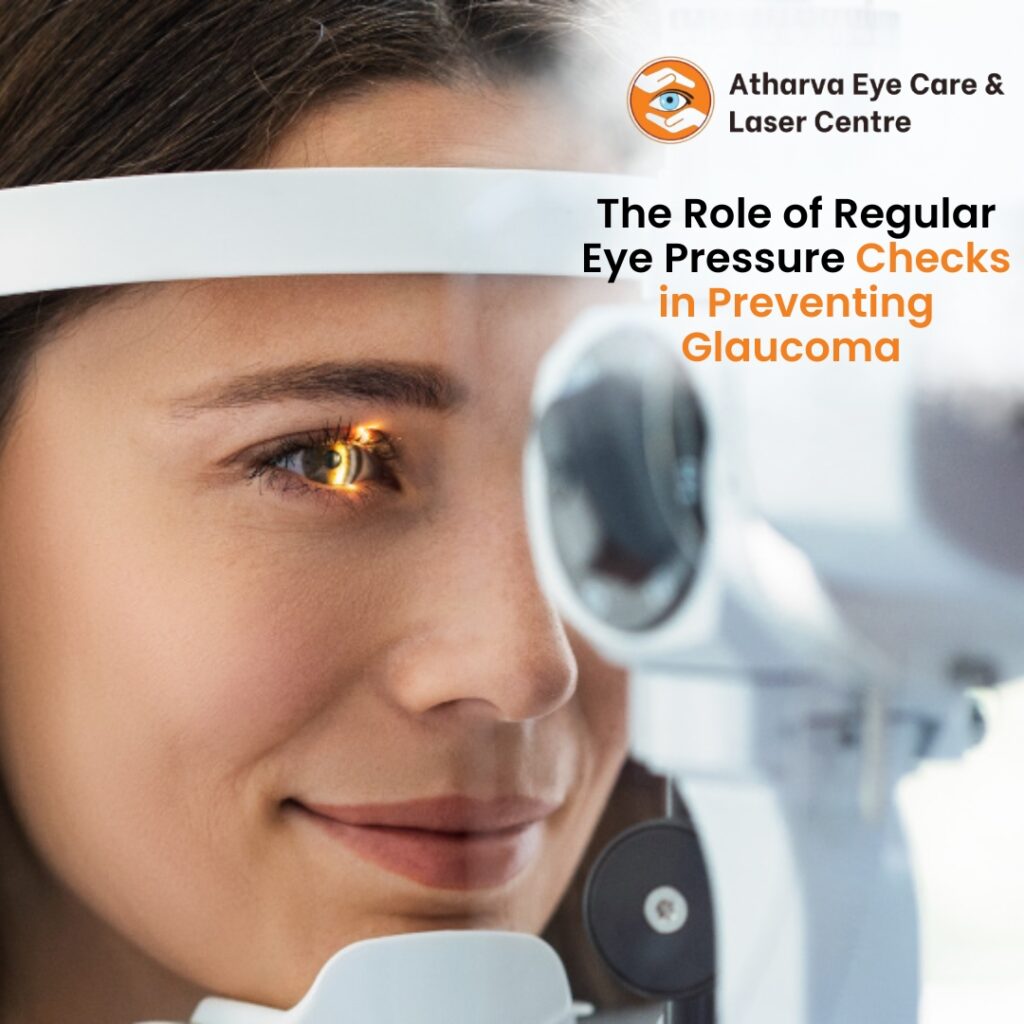
A quick puff of air is blown onto your eye’s surface. It’s fast, easy, and doesn’t require eye drops.
- Applanation Tonometry
This is considered the gold standard. After using numbing eye drops, a small probe gently touches the eye to measure pressure very accurately.
- Handheld Tonometry
Useful for children, elderly patients, or bedridden individuals.
All these tests are quick, safe, and completely painless. Most appointments take just a few minutes — a small investment for lifelong vision protection.
The Link Between Eye Pressure and Glaucoma Prevention
Regular IOP checks not only diagnose glaucoma but also help prevent it.
✔ Early Treatment Prevents Damage
If high pressure is detected early, treatments like medicated eye drops or laser procedures can effectively reduce pressure and protect the optic nerve.
✔ Monitoring Helps Adjust Treatment
For patients already diagnosed with glaucoma, frequent pressure checks help your doctor adjust medication or treatment based on how your eyes respond.
✔ Helps Identify Other Eye Conditions
Raised eye pressure can also signal other problems like ocular hypertension, uveitis, or angle-closure risks. Knowing this early helps prevent emergencies.
How Often Should You Get Eye Pressure Checked?
Most experts recommend:
- Once every year for adults above 30
- Every 6 months for those above 40
- Every 3-4 months for high-risk individuals or glaucoma patients
Your doctor may adjust the frequency based on your condition.
Glaucoma Prevention Tips Along with IOP Checks
Besides regular eye pressure testing, you can lower your risk of glaucoma by:
- Maintaining a healthy lifestyle
- Managing diabetes and blood pressure
- Eating antioxidant-rich foods
- Avoiding smoking
- Wearing protective eyewear
- Following prescribed medications consistently
These steps, along with routine checkups, create a strong defence against vision loss.
Conclusion
Glaucoma remains one of the leading causes of irreversible blindness worldwide — but it doesn’t have to be. With regular eye pressure checks, timely diagnosis, and proper treatment, you can protect your optic nerve and maintain clear, healthy vision for years to come.
If you’re over 40 or fall under a high-risk category, this is the right time to schedule an eye pressure check.
For expert glaucoma screening, advanced diagnostics, and personalized treatment, visit Atharva Eye Clinic, Kalyan — where your vision health always comes first.
